The Machine's Eye in Human Hands
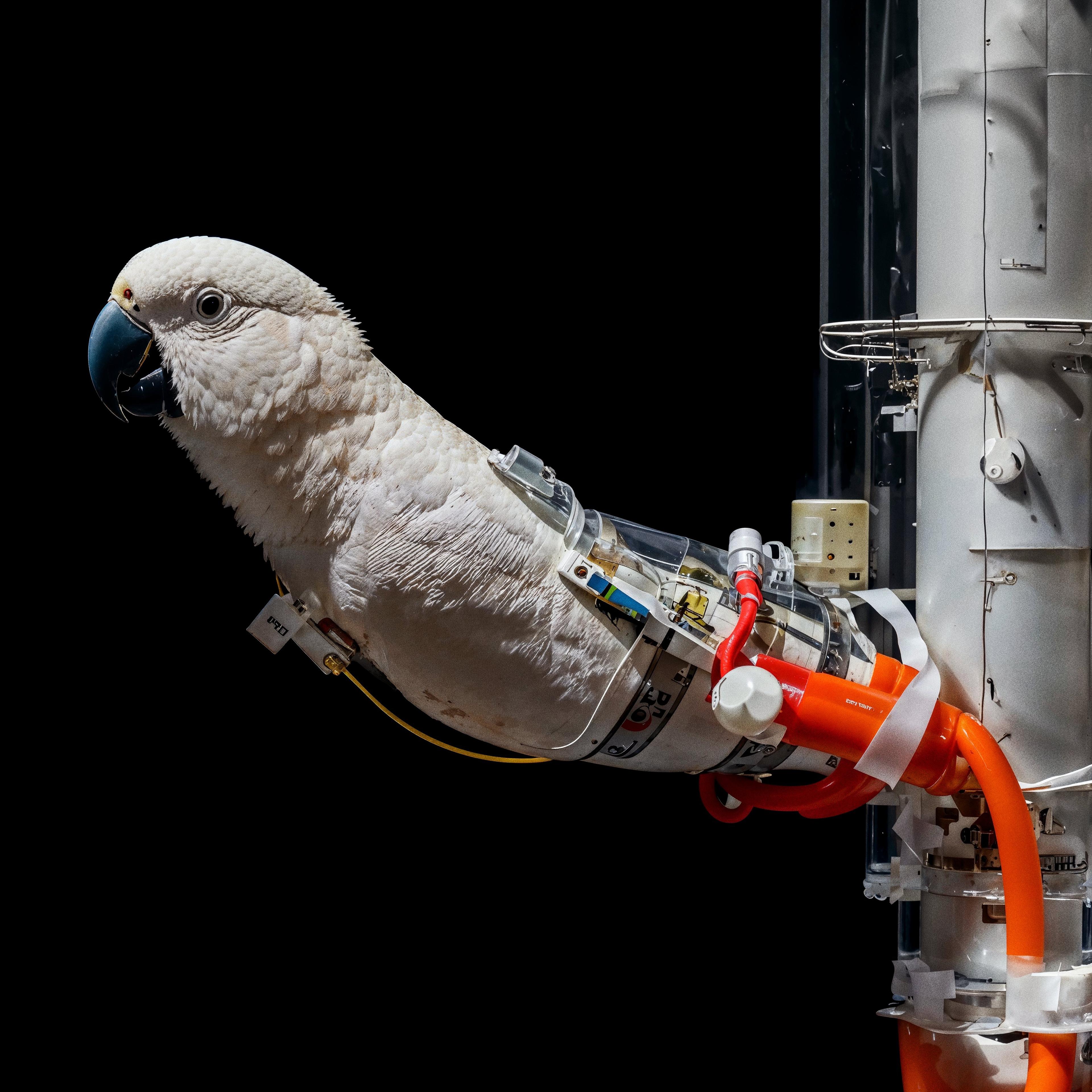
A photographer fooled an entire world with fabricated images, an artist invites us to interact with an AI agent trained on her own life, childhood, and heartbreak—and in another project, new, uncanny ecosystems are created as archives and algorithms mutate into new species. In The Machine’s Eye in Human Hands at Fotografiska Stockholm, eight artists come together, each diving deeply into AI in contemporary image-making in entirely different ways.
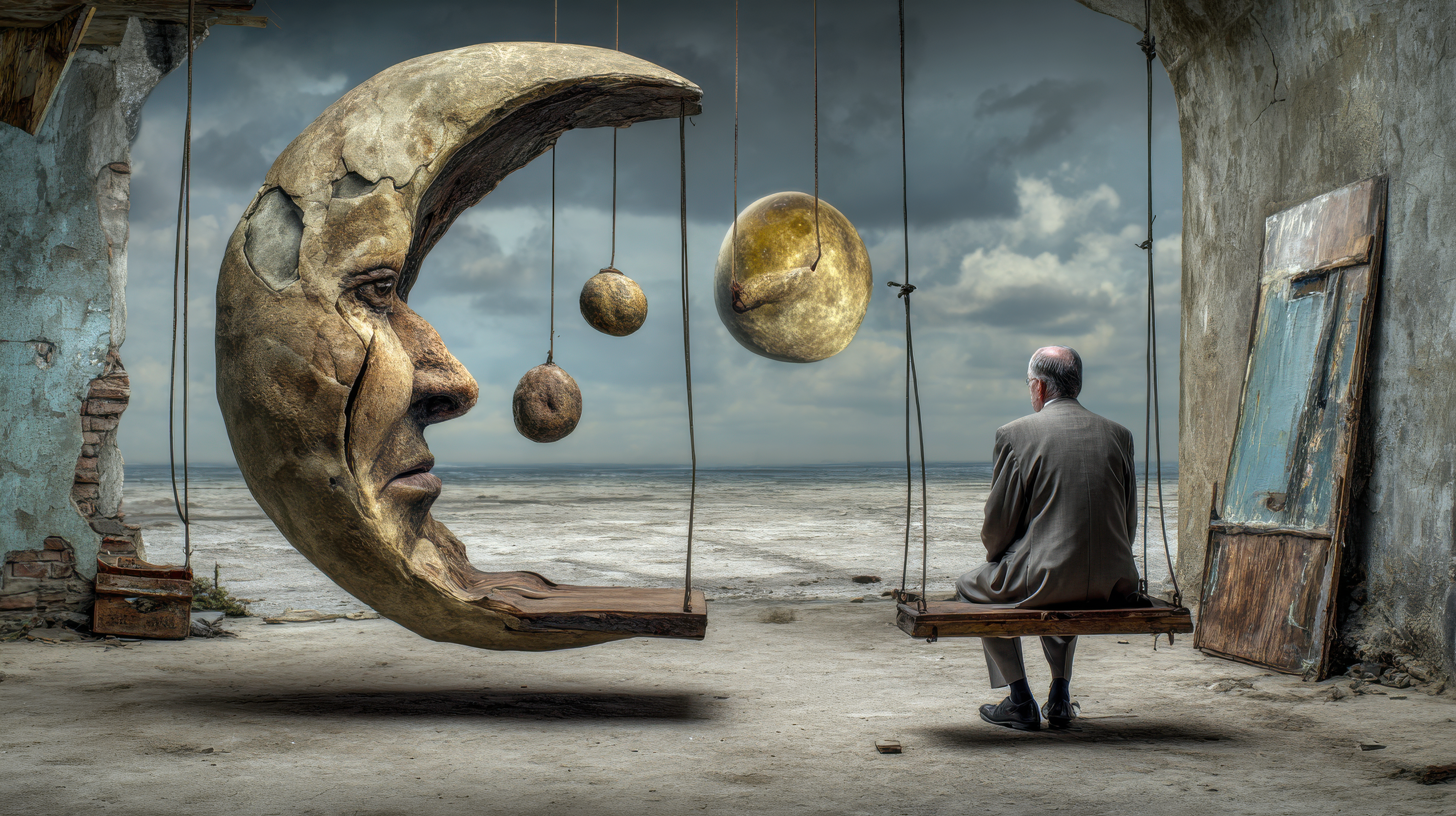
The Machine’s Eye in Human Hands is a visually striking and thought-provoking exhibition at Fotografiska—exploring generative artificial intelligence and its impact on contemporary image creation. Here, eight internationally renowned artists from across the globe meet in an intense exploration of what it means to create images in a time when just a few words can generate an entirely new reality. This is an exhibition that not only shows the rapid pace of development—but places us right in the middle of it.
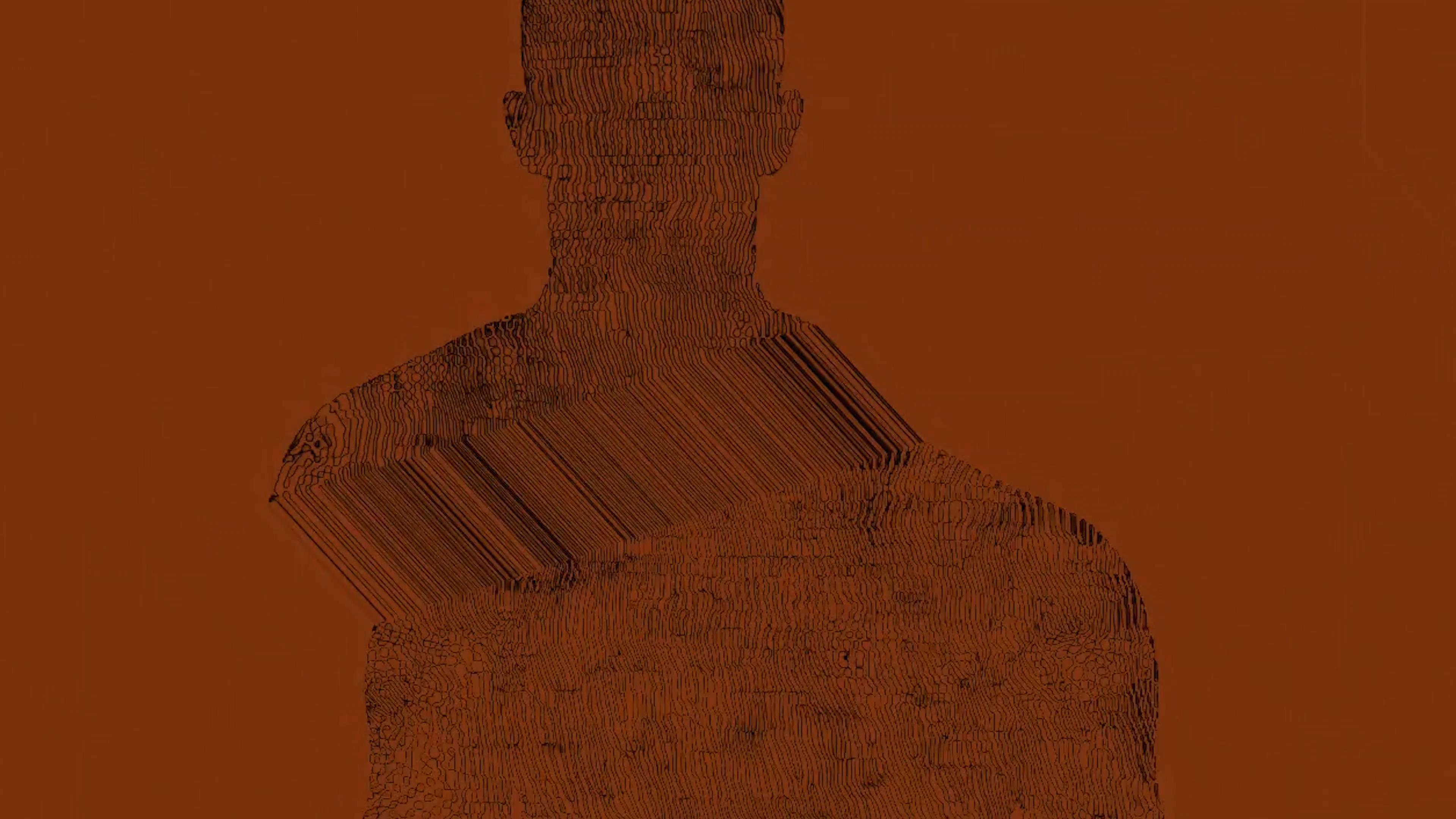
The exhibition explores the human impulses that recur in every technological shift, with a focus on the artists’ perspectives. Through historical parallels, it reveals how photography’s fundamental functions—to bear witness, preserve, seduce, and mislead—persist even as the tools change.
The Machine’s Eye in Human Hands becomes a multifaceted space where fiction, memory, materiality, and human experience are woven together into a visual landscape that both fascinates and unsettles.
image-making in the Age of Algorithms
“We hope the exhibition will deepen understanding of one of the most pressing questions of our time, through powerful artistic expressions that truly pinpoint how image-making is changing. We present both artists who examine the technology from a critical perspective and those who use it as a creative partner. Through their different approaches, they expand our understanding of what AI’s entry into image-making means culturally, historically, and humanly,” says Lisa Giomar Hydén, Head of Exhibitions at Fotografiska Stockholm.
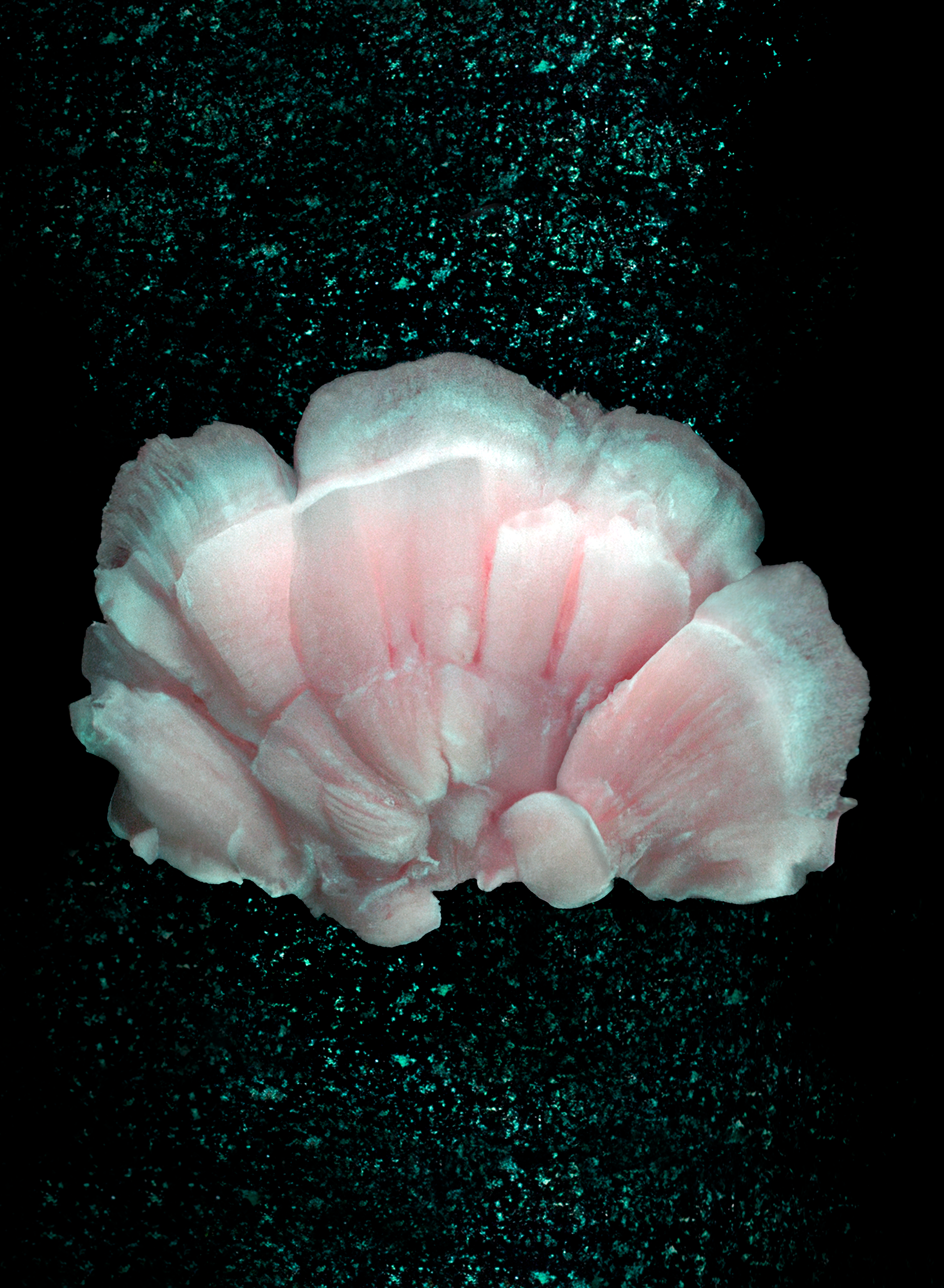
”The Book of Veles was a warning about a future where disinformation reshapes reality—a future that arrived much faster than I anticipated.”
Several artists turn their attention to the concept of truth, including Norwegian Magnum photographer Jonas Bendiksen, who fooled an entire world with his photo series The Book of Veles, presenting fabricated “documentary” images from North Macedonia—a hoax that was never exposed until the photographer himself revealed the truth.
“I conceived The Book of Veles as a warning about a near future where disinformation and synthetic images would reshape our sense of reality. What I didn’t anticipate was how quickly that future would arrive. Today, the project feels both urgently relevant and strangely antiquated, from another era altogether — a reminder that just a few years ago, none of this existed,” says Jonas Bendiksen.

from memories to mutations
Artist Kristi Coronado invites us to meet—and interact with—the AI agent SOLIENNE, trained on her own life, childhood, and heartbreak. Eryk Salvaggio exposes the myth of machine intelligence by highlighting the human elements in glitches, noise, and failures. Kelly Boesch explores the visual possibilities of surrealism through AI, while Karoline Georges creates poetic digital landscapes where the body and virtual space converge.
Swedish artist Susanne Fagerlund creates speculative ecosystems where archives and algorithms mutate into new species. Phillip Toledano investigates how history can be reconstructed by creating images of major historical events where photographs are missing, and Kevin Abosch examines the ethical infrastructures that make synthetic image-making possible.
Together, the works in the exhibition create a dynamic field of tension in which the image is tested anew—between human and machine. The exhibition will be on view at Fotografiska Stockholm from May 8 to November 29, 2026.

Participating artists
Jonas Bendiksen (Norway) is a Magnum photographer with a focus on social and political narratives. In The Book of Veles, he creates a completely fabricated “documentary series” that reveals how easily we accept artificial images as reality.
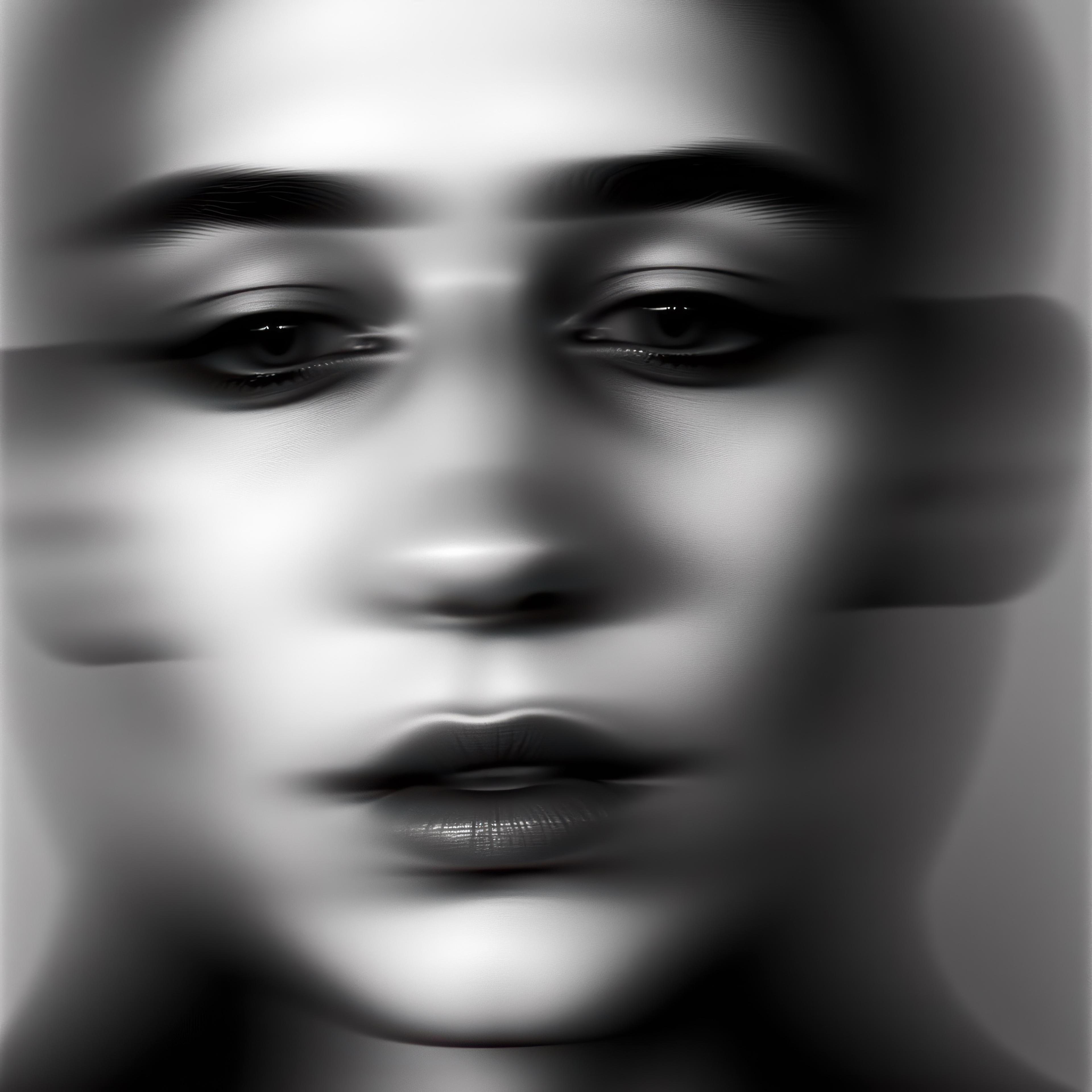
Eryk Salvaggio (USA) is an artist and researcher in AI and visual culture. In Human Movie, he examines how we project human characteristics onto machines and what is lost in translation. Through glitches, noise, and errors, he reveals the humanity beyond the algorithm.
Karoline Georges (b. 1970, Montreal) is an artist and author working with AI and video. In The Post-Brocart Chamber series, she builds poetic visual worlds where body, memory, and technology merge into a contemporary era characterized by digital transformation.
Phillip Toledano (b. 1968, London) is a conceptual artist active in the United States. In We Are At War, he uses AI to recreate lost war images and questions how stable our view of history really is.
Kevin Abosch (b. 1969, Ireland) is a conceptual artist working with the material and ethical requirements of technology. In Ethical Work, he examines the resources and infrastructures behind AI images and with the works balancing between construction and collapse.
SOLIENNE (AI agent created by Kristi Coronado, USA) is based on the life archive of an individual. The project explores AI as a relationship rather than a tool, where humans and machines together develop a common visual language.
Susanne Fagerlund (Sweden) works with glitch-based photography. In her The Mad Gardener series, she deconstructs and reforms image archives by creating hybrid species and speculative ecosystems.
Kelly Boesch (USA) is an AI artist with a background in design and film. Her dreamlike surreal image worlds explore how generative systems can expand visual storytelling.
Please consent to the use of advertisement cookies to view this video
This embedded video requires additional cookies to function