Atoosa Farahmand & Oscar Hagberg
Not a Typical Persian Girl
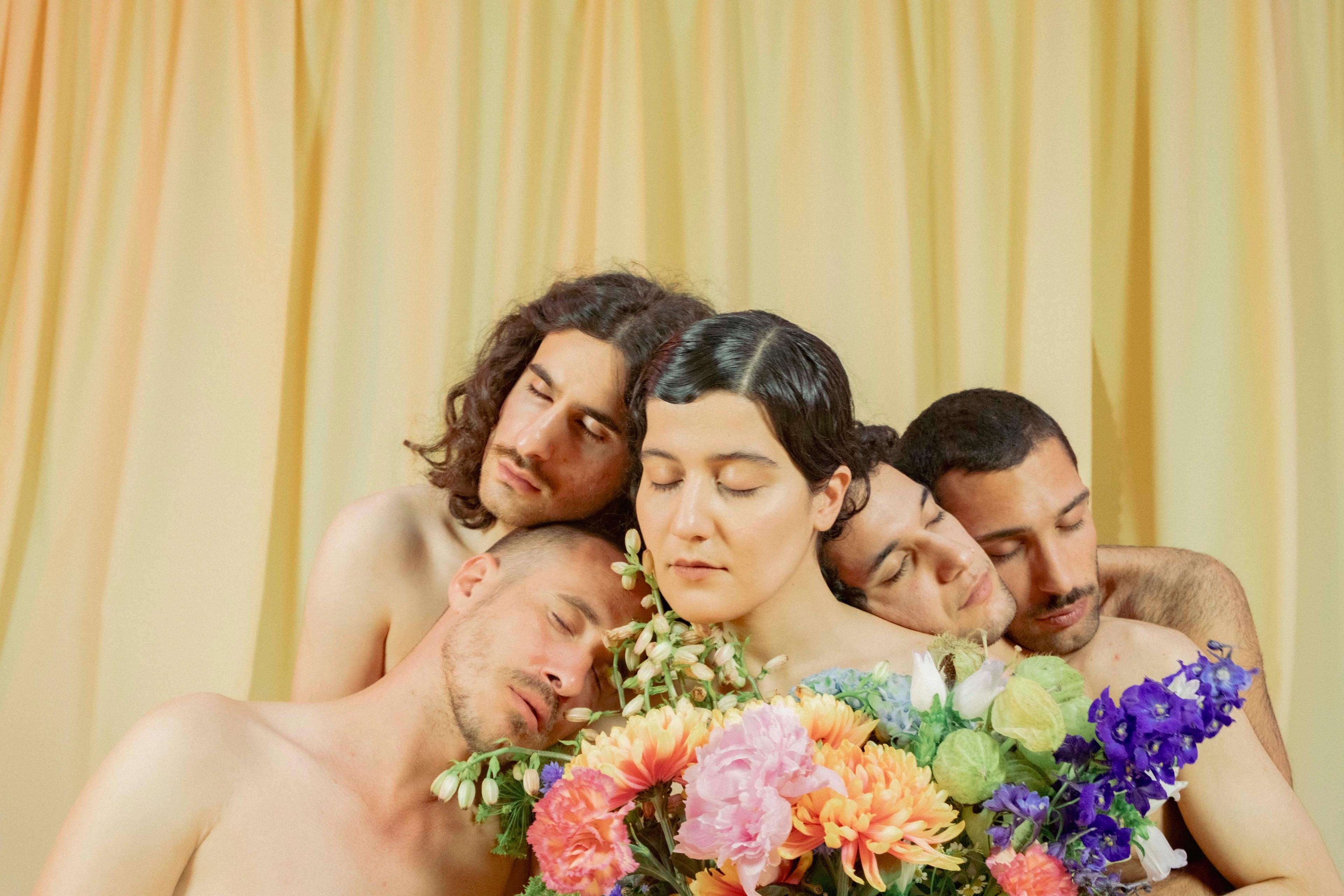
February 20 is the opening at Fotografiska of Not a Typical Persian Girl by the artistic duo Atoosa Farahmand and Oscar Hagberg. Photography, film, and installations are utilized to depict the conditions of women in Iran–a daily life marked by oppression but also by strength, resistance, and refusing to be silenced.
“We dedicate this exhibition to all the women of Iran who are currently risking their lives for freedom, democracy, and equality,” say the collaborating artists.

Riding a bike, singing, or going to a soccer match. Everyday activities for most people but not for women in Iran. In the exhibition Not a Typical Persian Girl, artists Atoosa Farahmand and Oscar Hagberg highlight a highly topical subject: how the path for women towards greater freedom and greater participation in society has been severely restricted in Iran after the 1979 revolution. In the decades before the revolution, the women’s movement in Iran had made important strides. The right to vote and to take their rightful place in various contexts was improved, and more and more doors opened in society. But after the revolution, a series of laws once again limited women’s rights in the public arena, a crucial shift that laid the foundation for a gender-segregated reality where women were gradually deprived of basic freedoms.
"focus our attention on a marginalized reality"
“We dedicate this exhibition to the women of Iran and all the people who are currently risking their lives for freedom, democracy, and equality. The grief over those who have been murdered by the regime in Iran is ever-present in our work. Not a Typical Persian Girl is both an acknowledgement of the struggle and a form of resistance in itself. We want to focus our attention on a marginalized reality but also invite the audience to ask how their struggle is connected to our own and what responsibility we have,” say Farahmand and Hagberg.
The artists use the exhibition to highlight women’s rights in Iran from both a historical and contemporary perspective, and each work represents an individual story or several intertwined experiences that together shape a sense of resistance.
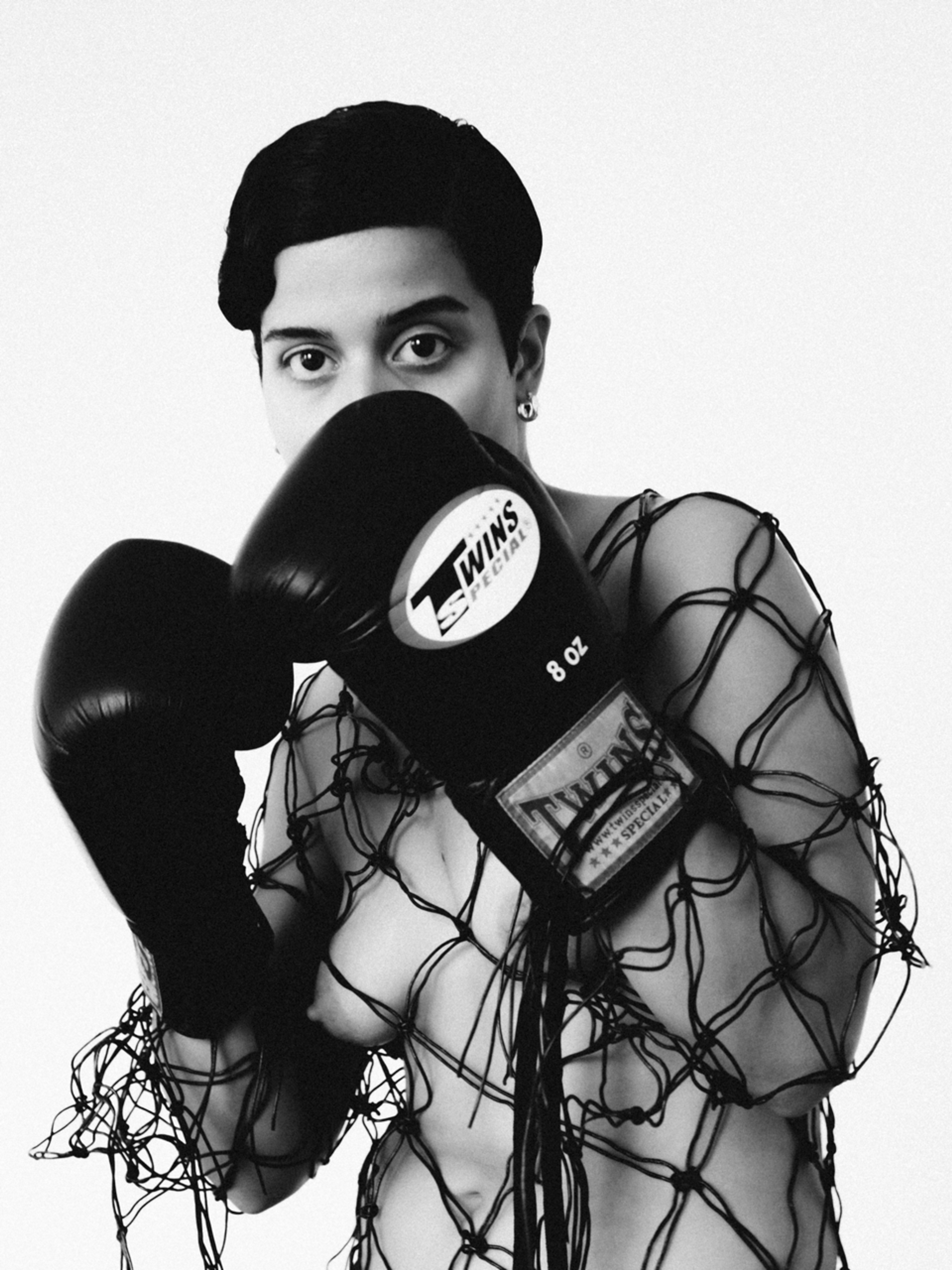
the irony of being ‘non-typical’
“The title Not a Typical Persian Girl describes the irony of being ‘non-typical’ in a society where ‘typical’ is defined by oppressive ideology and politics. The ‘non-typical’ girl is in fact an ordinary woman in Iran, who in her everyday life is constantly forced to take risks and resist for their right to a free life.”
Atoosa Farahmand and Oscar Hagberg are known for their multidisciplinary approach that interweaves performance, photographic storytelling, and installations, basing their work on their artistic research on women’s history in Iran from 1850 to the present day.


They use staging and experimental working methods to explore identity, transformation, and resistance, and they create art that invites audiences to reflect on political and social conditions. In conjunction with the opening of the exhibition, Farahmand and Hagberg are also releasing a new book of the same name, in which their research into women’s rights, historically and in the present, is interspersed with photographs and interviews in which women and non-binary individuals from Iran and the diaspora speak from their perspectives.
“As an artistic duo, we unite different perspectives: an artist in exile, who lives under threat from the regime in Iran, and an artist with roots in the countryside of Skåne, the southern-most county of Sweden. Together, these experiences create a shared perspective that characterizes our work,” say Farahmand and Hagberg.
photography meets performance
Not a Typical Persian Girl includes everything from framed photographs to installations and video works. One of the artworks will also be completed in front of an audience, on site in the hall during the opening day. The exhibition is part of Fotografiska Stockholm’s Emerging Artists initiative, a platform for photographers based in Sweden with unique imagery that allows them to share their everyday lives or explore topical subjects. The goal of the series is to highlight rising artists and support an inspiring and local art scene. This is the first time an artistic duo is being exhibited as part of the Emerging Artist series. Mohamed Mire from Fotografiska Stockholm is the exhibition producer.
“In this collaboration between Atoosa and Oscar, photography and performance meet in a common visual language, where each work is carefully considered but leaves room for interpretation. The works move between still images and action and are shaped by a consistent and elaborate expression,” says Mire.
For more information, to submit interview questions, and for press photos, contact Frida Hübenette, Press Officer at Fotografiska Stockholm, at press.sto@fotografiska.com
Please consent to the use of advertisement cookies to view this video
This embedded video requires additional cookies to function